


A Panama license plate is the visible proof that your car is legally registered, insured and up to date with the municipality and the transit authority. For expats, getting one is rarely difficult, but the process changes depending on whether you buy a new car, buy a used one from a private seller or bring your own vehicle from abroad.
Most of the problems we see come from skipping a step: a used car that still carries the previous owner’s fines, an imported vehicle held at the port, or a plate that expired without the owner noticing. This guide, prepared by the attorneys at NDM Law Firm & Associates, explains each route in order. If you prefer that we handle the paperwork, contact our team.
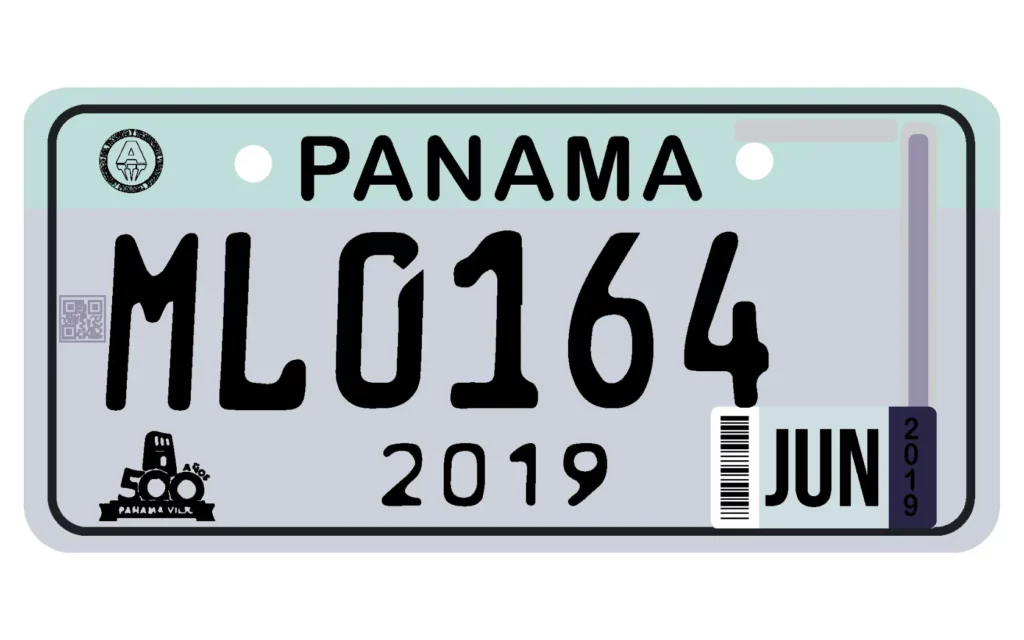

Can Foreigners Own a Car With a Panama License Plate?
Yes. You do not need residency to buy and register a car in Panama, and a valid passport replaces the Panamanian ID card in every vehicle procedure. The car can be registered in your personal name or in the name of a company you own, which some clients prefer for liability and estate planning reasons.
Owning the car and driving it are two separate questions. You may drive with your foreign license for 90 days from entry, but filing a residency application ends that right, so you will need a Panama driver’s license at that point. The car must also carry, at minimum, third-party liability insurance from the day you drive it.
Buying a Car in Panama as an Expat
Buying locally is the fastest route for expats to get a Panama license plate, and it avoids the costs of shipping and customs. The legal risks are different for new and used vehicles.
Buying a New Car From a Dealer
Dealers usually ask for your original passport, proof of address and a tax identification number. They register the car with the transit authority, arrange the first Panama license plate and often sell the insurance policy in the same transaction. Read the sales contract before signing it, because some include financing, maintenance or insurance charges that are optional. Bank financing is harder to obtain for non-residents, so many expats pay in full.
Buying a Used Car and the Ownership Transfer
When you buy from a private seller, ownership only passes to you once the transfer (traspaso) is registered with the municipality and the transit authority (ATTT). Until then, the car remains in the seller’s name and any fine or accident is linked to them, while any unpaid debt on the car can still block your registration.
The transfer requires the Unique Vehicle Property Registry certificate (RUV), a current inspection certificate, the digital transfer card, the IDs or passports of both parties, proof that both are up to date with the municipality, a valid plate and third-party insurance registered in the authorities’ system. In the Municipality of Panama, the transfer fee is about $50 and the new RUV costs about $20.
Legal Checks Before You Pay for a Used Car
A private sale in Panama is generally made as is, so the protection comes from what you verify before paying:
- Confirm the owner. The name on the RUV must match the seller’s ID. If someone else is selling, ask for a notarized authorization.
- Check for debts and fines. Ask for the ATTT and municipal clearance (paz y salvo). Unpaid fines and taxes follow the vehicle.
- Check for liens. Confirm that no bank pledge or court order is recorded against the car, especially if it was financed.
- Check the plate. The Panama license plate and the annual sticker must be current.
- Put it in writing. Sign a purchase contract that states the price, the vehicle identification number and who pays each fee.
Importing Your Car to Panama
Shipping your own car and getting a Panama license plate for it can make sense if it is reliable, easy to service locally and expensive to replace. It also involves customs, taxes and several weeks of procedures, so it is worth comparing written quotes before deciding.
Duties and Taxes on Imported Vehicles
Import duty depends on the vehicle’s tariff classification and on its customs value, which is calculated on the cost, insurance and freight value accepted by the National Customs Authority, not necessarily on the price you paid. The 7% ITBMS is added on top, and some vehicles also pay selective consumption tax. Vehicles made in the United States may qualify for reduced duty under the trade agreement between both countries, provided the origin can be documented.
Documents and the Customs Process
You will need a clean title in your name with no outstanding loan, the bill of lading, the purchase invoice and your passport. A licensed customs broker files the import declaration, the vehicle is inspected at the port, and duties are paid before release. Only left-hand drive vehicles should be shipped. Customs release does not make the car legal to drive; it still needs inspection, registration, insurance and a Panama license plate.
Pensionado Duty Exemption on Vehicles
Holders of the Pensionado Visa may import or buy one vehicle for personal use every two years without paying import duty, although the ITBMS and other charges still apply. The exemption comes with a condition that many retirees overlook: if the car is sold to someone without the same benefit, the waived duty must be paid before the transfer can be registered.
7 Steps to Get a Panama License Plate for Your Car
Whether the car was bought or imported, getting a Panama license plate follows the same sequence. Missing documents at any step sends you back to the start.
- Insure the car. Buy at least third-party liability insurance and confirm that the policy appears in the authorities’ system before your appointment.
- Pass the vehicle inspection (revisado). Used and imported vehicles need a current inspection certificate from an authorized center.
- Obtain the RUV. The transit authority (ATTT) issues the Unique Vehicle Property Registry certificate in the owner’s name.
- Get your clearances. You must be up to date (paz y salvo) with the ATTT and with the municipality where the car will be registered.
- Register with the municipality. The car is registered in the district where you live, such as the Municipality of Panama for the capital.
- Pay the circulation tax and plate fee. The amount depends on the vehicle type and value.
- Collect the plate and sticker. The municipality issues the Panama license plate, or the annual sticker if the car already has one.
Panama License Plate Renewal Every Year
Every Panama license plate must be renewed once a year with the municipality where the car is registered. Renewal is simple when the documents are current, and costly when it is forgotten.
Renewal Calendar by Last Digit
In the Municipality of Panama, the renewal month is set by the last digit of your Panama license plate: 1 in January, 2 in February and so on through 9 in September, with 0 in October. In 2026 the Municipality has been delivering new plates and stickers in stages, so keep your payment receipt in the car until you receive them.
What Documentation Should I Have for the Renewal of My License Plate?
- Current vehicle inspection certificate.
- Unique Vehicle Property Registry certificate (RUV).
- Passport or Panamanian ID of the owner.
- Valid insurance, at minimum third-party liability.
- Clearance from the ATTT and the municipality, with no pending fines.
Costs, Late Fees and Fines
For a standard passenger car, the renewal costs around $29, and the circulation tax rises with the vehicle’s value. Renewing a Panama license plate after your month adds a fine of $25 plus a surcharge that grows with each week of delay. Driving with an expired plate is a separate traffic fine of $50 with points on your license.
Where to Pay and Collect Your Plate
Payment can be made through most Panamanian online banking platforms, by card on the Municipality of Panama website or at its offices. Plates and stickers are collected at the municipal delivery centers, and residents of the capital district can request home delivery. You can check fines and clearances on the ATTT website before you go.
Legal Problems Expats Face With Vehicles in Panama
These are the situations that most often turn a simple procedure into a legal matter:
- A car bought from a private seller that was never transferred, so the buyer cannot renew the plate or sell it later.
- Fines and taxes from the previous owner that block the Panama license plate renewal.
- Driving on a foreign license after filing for residency, which exposes you to traffic fines.
- An imported car released from customs but never registered, which cannot legally be driven.
- A duty-exempt Pensionado vehicle sold without paying the waived duty, which blocks the transfer.
- A car registered in the name of a company with expired corporate rights, which prevents any transaction.
How Our Attorneys Help With Your Vehicle
NDM Law Firm & Associates assists expats with every step in English: reviewing a used car’s history before purchase, preparing the purchase contract and transfer, coordinating imports with customs brokers, registering the car in your name or your company’s name and keeping your Panama license plate renewed on time. If you are still planning your move, our guide to living in Panama explains the legal steps that come first.
Schedule a consultation with our team and tell us whether you are buying or importing. We will confirm the documents, costs and timeline for your specific vehicle.
